
High-Temperature Paper – Versatile Insulation for Demanding Applications
RATH High-Temperature PapersThin. Flexible. Temperature-resistant. Thermally and electrically insulating.
RATH high-temperature papers are thin, flexible insulation materials designed for applications where high temperatures, limited installation space, and the need for both thermal and electrical insulation come together. Their low thermal conductivity and excellent temperature resistance enable a wide range of industrial applications.
Applications and Areas of Use
In addition to their thermal insulation properties, high-temperature papers can be used as electrical insulation layers. Their low material thickness and flexibility also make them suitable as separating layers, thermal barriers, seals or component protection.
Typical applications and areas of use include:
• heating elements and heating systems
• furnaces and thermally stressed electrical components
• electric vehicles
• applications in the field of thermal runaway
• automotive industry
• electrical and energy technology
• mechanical and plant engineering
• glass, ceramics and metal industries
The papers can be cut, punched, wound and adapted to different geometries.
When Minimal Thickness Must Deliver Maximum Performance
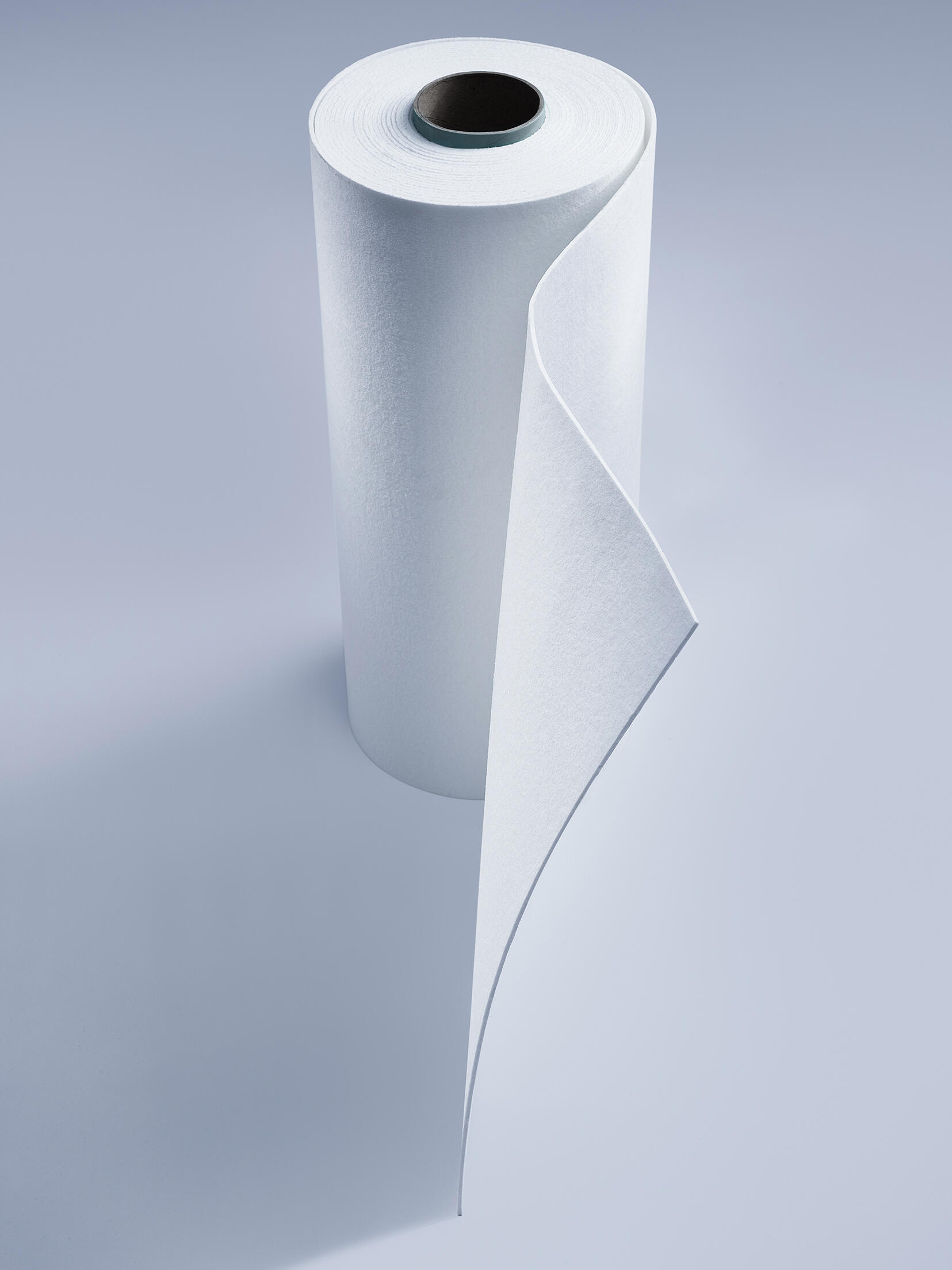
High-temperature paper combines thermal insulation, electrical insulation, and excellent temperature resistance in a thin, flexible material. Its fibrous structure reduces heat transfer and provides effective thermal separation, even in applications with very limited installation space.
The papers are flame-retardant and are non-classified under REACH.
RATH offers high-temperature papers based on different fiber technologies. For particularly demanding thermal applications, ALTRA Paper grades made from polycrystalline wool (PCW) are available.
ALTRA Paper 1300 contains approximately 75% Al2O3 and is designed for applications up to 1,300 °C. ALTRA Paper 1600, with approximately 95% Al2O3, extends the application range to 1,600 °C. The higher alumina content increases the fiber’s thermal stability, enabling reliable performance at elevated temperatures.
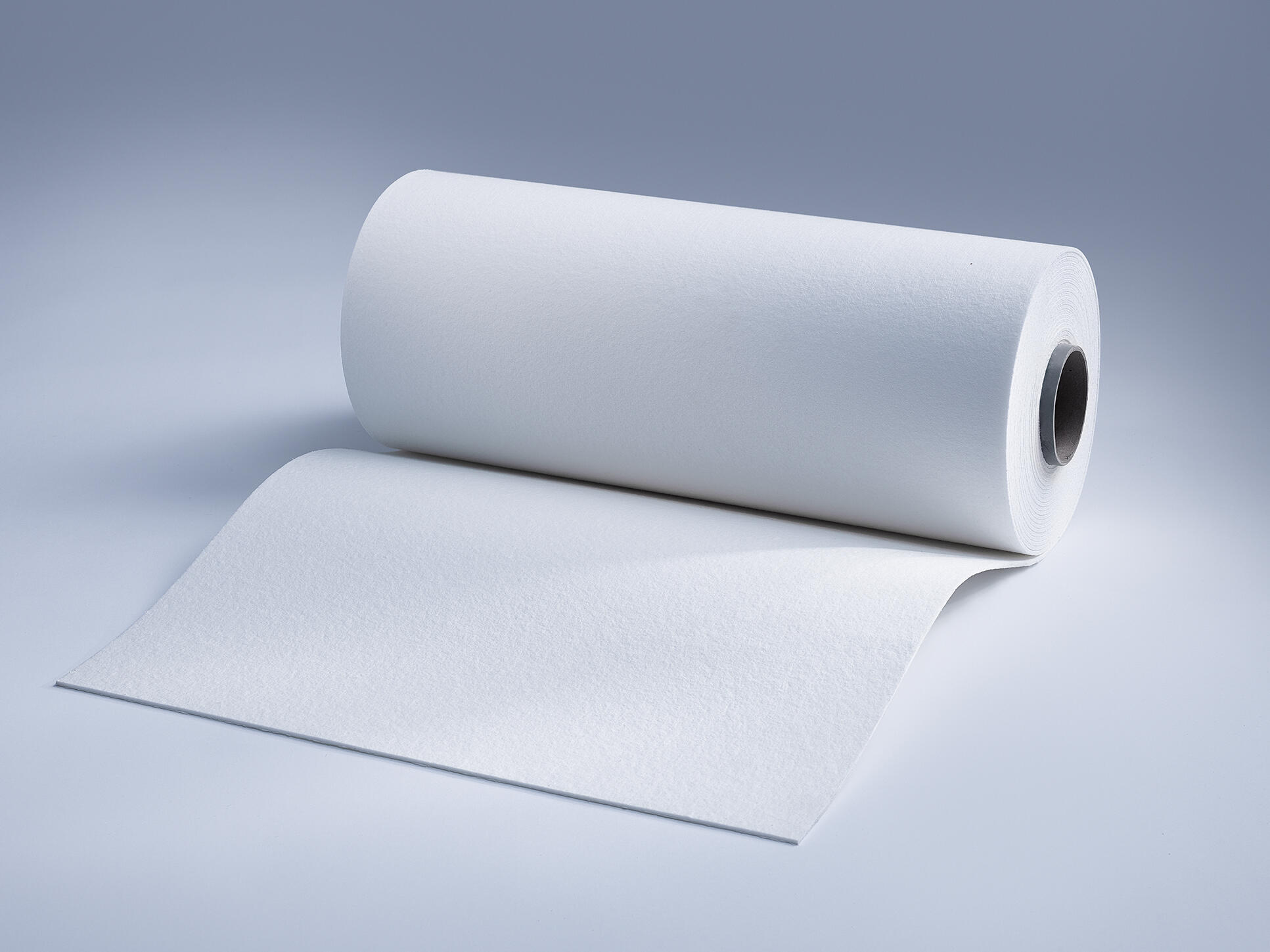
For lower temperature ranges, the portfolio is complemented by ALSITRA Papers based on aluminosilicate wool.
ALSITRA Paper 1300 features an Al2O3 content of 46–50%, a classification temperature of 1,250 °C, and is designed for continuous use below 1,150 °C. ALSITRA Paper 1400 contains 48–58% Al2O3, offers a classification temperature of 1,400 °C, and is suitable for continuous use below 1,250 °C.
In addition, CALSITRA Paper 1200, based on alkaline earth silicate (AES) wool, provides a non-classified, low-biopersistent high-temperature paper solution. It has a classification temperature of at least 1,200 °C and is designed for continuous use up to 1,100 °C.
The following overview provides a quick reference for selecting the most suitable paper grade for your application.
| Product | Fiber base | Al2O3 | Temperature range | Particularly suitable for |
|---|---|---|---|---|
| ALTRA Paper 1600 | PCW | approx. 95% | up to 1,600 °C | highest thermal loads |
| ALTRA Paper 1300 | PCW | approx. 75% | up to 1,300 °C | high temperatures, thermal & electrical insulation |
| ALSITRA Paper 1400 | Aluminosilicate wool | 48–58% | 1,400 °C classification<1,250 °C continuous use | classic high-temperature insulation |
| ALSITRA Paper 1300 | Aluminosilicate wool | 46–50% | 1,250 °C classification<1,150 °C continuous use | thermal insulation in the medium temperature range |
| CALSITRA Paper 1200 | Alkaline earthsilicate wool | <1% | ≥1,200 °C classificationmax. 1,100 °C continuous use | non-classified, low-biopersistent solution |
Not sure which grade is right for your application?
Our engineering and application specialists are happy to support you in selecting the most suitable high-temperature paper for your specific requirements.